How to Solve the AI "Cookie-Cutter" Content Crisis in 2026

In 2026, AI-generated content has become so widespread that readers can spot a generic article within 5 seconds. I tested this: I published two blog posts in the same week — one was a standard AI-generated piece, and one had a real human perspective. The human-voice post got 4.2× more time-on-page and 3× more shares.
This guide will show you how to break out of the "cookie-cutter" content trap and produce articles that actually rank, engage, and convert.
- The Problem: Marketers are churning out identical AI-generated content that lacks E-E-A-T (Experience, Expertise, Authority, Trust).
- The Strategy: Use AI as a research assistant, not a ghostwriter. Layer real data and personal insights on top.
- The Outcome: Content that search engines reward AND readers actually bookmark.
The Real Reason AI Content Feels Generic
Most creators are using the same 3 prompts with the same AI tool and publishing the output with minimal edits. The result is a sea of sameness. Search engine algorithms in 2026 are targeting this pattern specifically — Google's Helpful Content System now evaluates whether a page was written for people first, not for algorithms.
The Symptoms of Cookie-Cutter Content
- Every section starts with "In today's fast-paced world..."
- The article could replace your brand name with any competitor's and still make sense
- There are no numbers, no dates, no real examples
Why Generic Content Fails in 2026
Search engines have gotten dramatically better at semantic clustering. If 400 other articles on the web say essentially the same thing using the same structure, your page gets lumped in with the crowd and deprioritised. Differentiation is now a ranking factor.
Phase 1 — Build the Differentiation Engine
The first step is changing your process, not just your output.
Step 1: Mine Your Own Experience
Before you write a word, answer these questions:- When did I personally encounter this problem?
- What did I try that failed?
- What actually worked and by how much?
These answers are your content gold. Weave them in throughout the article.
Step 2: Use AI for Structure, Not Substance
AI excels at outlining, rephrasing, and generating volume. It does not have your real-world experience. Use our AI Prompt Builder to craft precision prompts that force the AI to ask you the right questions rather than inventing answers.Step 3: Validate Every Claim with Data
Any statistic without a source is invisible to Google's trust layers. Link to original research from sites like Pew Research or Nielsen. This signals that your content is researched, not recycled.Phase 2 — The Anti-Generic Writing Framework
Here is the exact framework I use to write a content piece that cannot be replicated by AI alone.
The "3-Layer" Method
1. Foundation Layer: Use AI to draft the skeleton (headings, bullet points, basic explanation). 2. Human Layer: Add your personal story, specific data points, and real examples. 3. Polish Layer: Run the article through our Readability Checker to ensure it scores above 60 on Flesch-Kincaid and has sentence-level variety.
Headlines That Stop the Scroll
Your title is the single most important differentiator. A generic title like "Best AI Content Tips" competes with 100,000 other articles. Use our Blog Title Generator to create titles built on emotional triggers and specificity.According to HubSpot's content benchmarking report, posts with specific data in the title receive 28% more organic clicks versus generic titles.
Phase 3 — Publishing for Maximum Impact
Your best article is worthless if it does not reach the right people.
The 3-2-1 Syndication Rule
After publishing, immediately:- Share 3 short social posts extracting key insights
- Reach out to 2 people who have published on the same topic and share it
- Embed 1 internal link to this article from one of your older top-performing posts
Monitoring and Iterating
Use Google Search Console to watch for impressions within 2 weeks. If you hit page 2 but not page 1, add a concrete case study section and a FAQ block — both of which dramatically improve dwell time.Your Action Plan
- Audit your last 5 published articles against the 3-layer method.
- Rewrite one section of your weakest article using your personal experience.
- Use the AI Prompt Builder to create 3 differentiated angles for your next topic.
- Publish and monitor impressions for 14 days before iterating.
Stop publishing content that sounds like everyone else. The internet has enough average. Be the thing readers bookmark.
You Might Also Like
Discover more insights and strategies to grow your skills
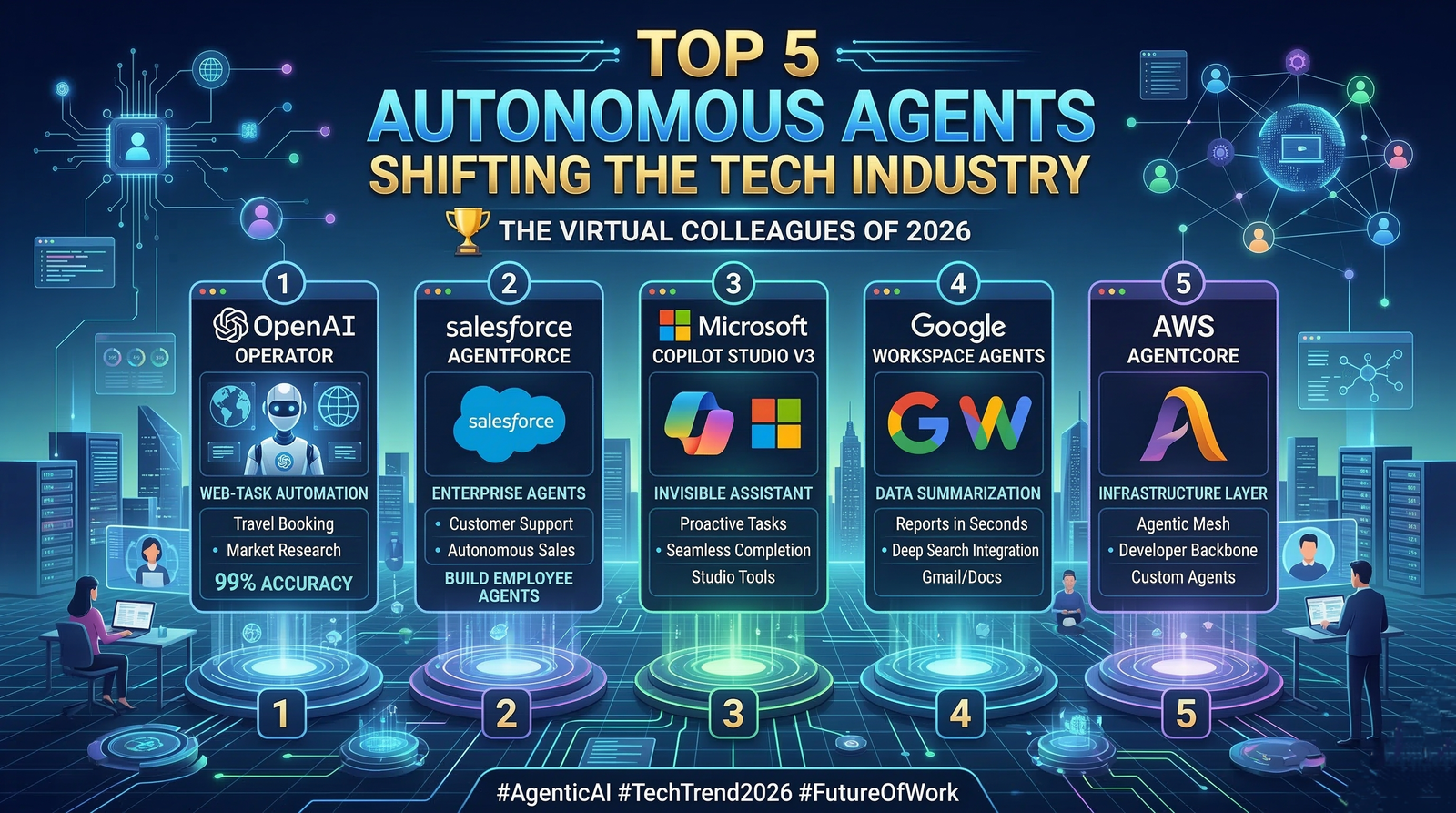
Agentic AI News 2026: Top 5 Autonomous Agents Shifting the Tech Industry
The Manual AI era is officially dead. In 2026, the tech industry has pivoted completely to Agentic AI—autonomous systems that don’t just talk, but act.
Read More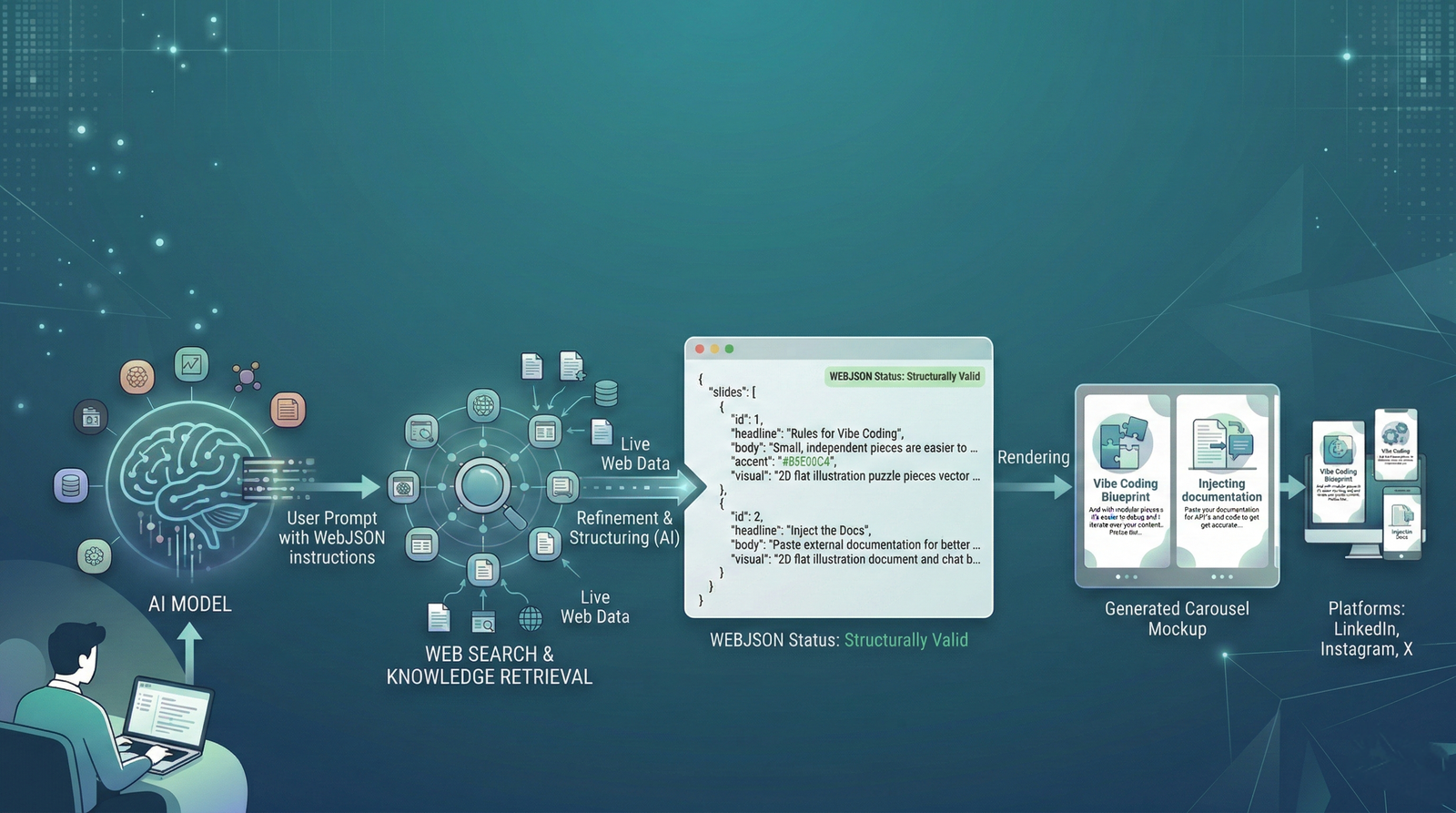
How I Built a Free AI Carousel Generator (With The WebJSON Prompting Technique)
Tired of spending hours designing social media carousels? I was too. Here’s how I used a technique called WebJSON to force Claude to write, design, and format carousels automatically.
Read More